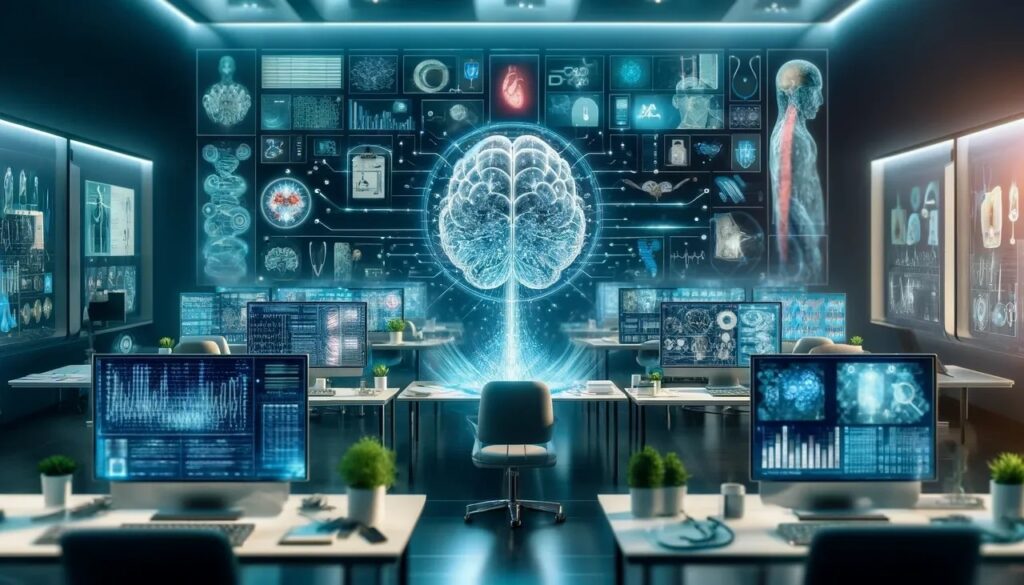

In a world where personalization is a cornerstone of effective treatment, technology is stepping up to redefine the way we approach dementia care. From AIdriven diagnostics to wearable tech, innovations are not just improving the quality of care but also tailoring it to individual needs.
Understanding Dementia: The Need for Personalized Treatment
Dementia affects millions worldwide, each case unique in its progression and impact. Traditional treatments often fall short, as they do not consider the distinct needs of everyone. Personalized treatment plans can significantly enhance the quality of life for those living with dementia, making the quest for customized care more crucial than ever.
The Role of Technology in Customizing Dementia Care
As we push towards more individualized approaches in dementia care, technology is increasingly central to delivering tailored solutions that cater to the unique needs of each patient. Here’s a look at how cutting-edge tools are transforming dementia care:
AI and Machine Learning
AI and machine learning have moved beyond mere buzzwords to become essential tools in dementia treatment. These technologies can analyse vast datasets—ranging from genetic information to behavioural patterns—to uncover subtle changes and trends that might otherwise go unnoticed. By detecting early warning signs and accurately predicting disease progression, AI-powered insights enable healthcare providers to craft personalized care plans and adjust them dynamically as the patient’s condition evolves. Additionally, these systems can recommend specific interventions based on an individual’s cognitive profile, promoting proactive care rather than reactive treatment.
Wearable Devices
Wearables, including advanced smartwatches and biosensors, have transformed how we monitor dementia patients’ health and safety. These devices can continuously track vital metrics such as heart rate, sleep patterns, and movement, providing a holistic view of the patient’s daily health. Wearables are also invaluable for detecting signs of distress, unusual behaviours, or wandering, which are common challenges in dementia care. Real-time data from wearables allows caregivers to intervene promptly, minimizing risks and enhancing the patient’s safety and well-being. Many wearables now come with fall-detection technology and GPS tracking, offering caregivers peace of mind and patients greater independence.
Virtual Reality (VR)
Virtual Reality (VR) is an emerging game-changer in cognitive health for dementia patients. Through immersive simulations, VR can stimulate memory recall, encourage social interaction, and reduce anxiety. For instance, patients can revisit familiar places or explore calming environments, which can be especially therapeutic for those experiencing disorientation or mood swings. Interactive VR games designed to exercise cognitive functions can also provide mental stimulation that might help slow cognitive decline. VR’s potential to connect patients with distant family members in realistic settings makes it an invaluable tool for fostering emotional connections and reducing feelings of isolation.
Telemedicine
Telemedicine removes the physical barriers to specialist care, offering a practical solution for patients who may find travel challenging. Virtual consultations mean that dementia patients can regularly engage with healthcare providers for adjustments to their treatment plans, based on recent health metrics and caregiver feedback. This ongoing communication enables more responsive, individualized care, which can be crucial in addressing the progressive nature of dementia. Moreover, telemedicine allows caregivers to consult experts for advice on daily challenges, creating a collaborative care environment focused on the patient’s evolving needs.
Benefits of Personalized Dementia Care
• Improved Quality of Life: Tailoring care plans to individual needs enhances comfort and reduces anxiety for patients.
• Better Disease Management: Early detection and continuous monitoring help in managing symptoms more effectively.
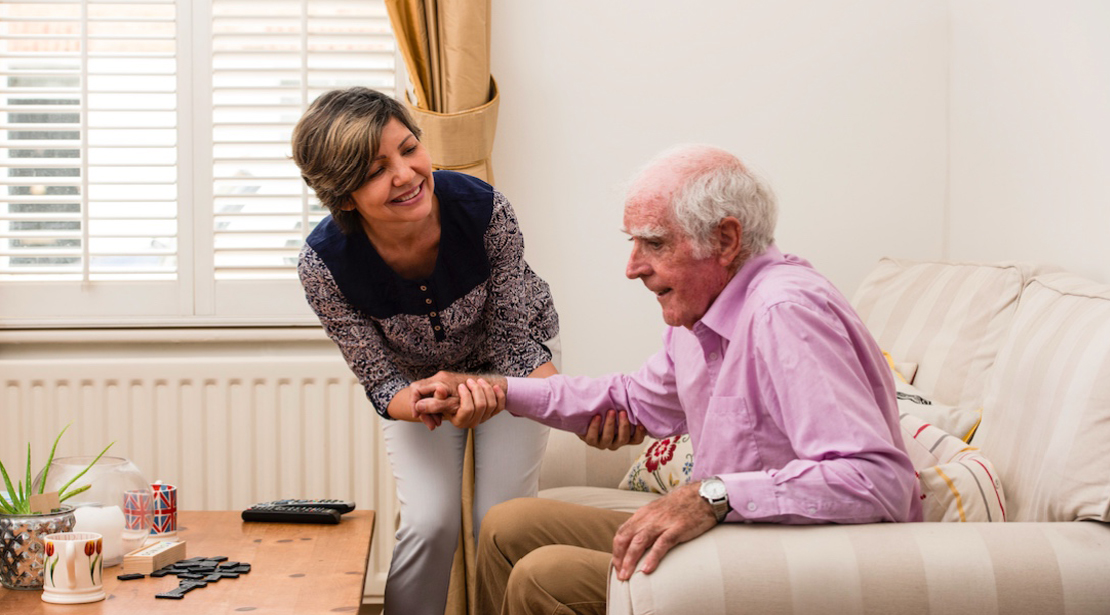
• Enhanced Support for Caregivers: Technology provides caregivers with the tools and information they need to offer better support and manage stress.
References
1. Goodall, G., Taraldsen, K., Granbo, R., & Serrano, J. A. (2021). Towards personalized dementia care through meaningful activities supported by technology: A multisite qualitative study with care professionals. BMC Geriatrics, 21:468.
https://doi.org/10.1186/s12877-021-02408-2
2. Minvielle, E., Fourcade, A., Ricketts, T., & Waelli, M. (2021). Current developments in delivering customized care: a scoping review. BMC Health Services Research, 21:575.
https://doi.org/10.1186/s12913-021-06576-0
3. SonderCare. (2023). Why Is Personalized Care Important in Dementia Treatment? Retrieved from
https://www.sondercare.com/learn/memory-care/why-personalized-care-important-dementia-treatment/
By leveraging technology, we can make significant strides in personalizing dementia care, ultimately improving the lives of patients and their caregivers. The future of dementia treatment is not just about managing the disease but about enhancing the quality of life through tailored, tech-driven solutions.